Why Jokes Matter: The Real Benefits of Humor for Child Development
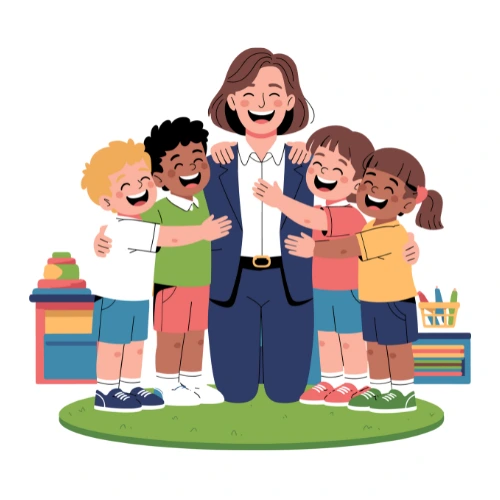
If you’ve ever watched a toddler crack up over a silly face or a ten-year-old proudly deliver a knock knock joke, you’ve seen it firsthand: kids love to laugh, and they love making other people laugh even more. But humor isn’t just entertainment. Research consistently shows that a good sense of humor plays a real role in how children grow, learn, and connect with others.
Humor Builds Language and Thinking Skills
Most jokes for kids rely on wordplay — puns, double meanings, and unexpected twists. To actually get a pun, a child has to understand that a single word can mean two different things at once. That’s a real cognitive skill, and practicing it through jokes quietly builds vocabulary and flexible thinking without ever feeling like schoolwork.
Telling Jokes Builds Confidence
There’s a specific kind of pride a child feels when a joke actually lands — when the room laughs because of something they said. That small win adds up. Kids who practice telling jokes get more comfortable speaking in front of others, handling a little suspense (the pause before the punchline), and recovering gracefully when a joke doesn’t get the reaction they hoped for.
Jokes Help Kids Make Friends
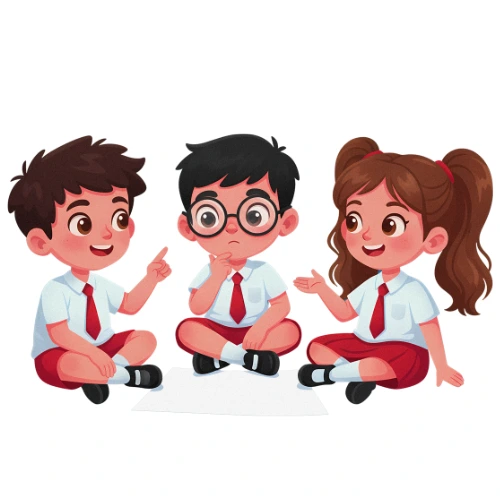
Humor is one of the easiest ways for a shy kid to break the ice. A knock knock joke doesn’t require deep conversation skills — it just requires someone willing to play along. That’s exactly why these jokes work so well on playgrounds and at new-kid-in-class moments: they’re a built-in invitation to interact.
Laughter Reduces Stress
Laughing genuinely changes how a child’s body feels in the moment — it’s a quick, reliable way to release tension after a long school day or a stressful transition. Parents who keep a few reliable jokes on hand for car rides or bedtime often find it doubles as a simple way to reconnect after a rough day.
How to Use This With Your Own Kids
You don’t need a comedy background to make this work. Start with a few short, reliable jokes — knock knock jokes and animal jokes are the easiest entry point for younger kids. As they get more confident, introduce riddles that require a bit more thinking, and let them tell the joke themselves rather than just hearing it. Our jokes by age group guide breaks down exactly which type of humor lands best at each stage.
Whatever you pick, the goal isn’t a perfect delivery — it’s the habit of laughing together. That’s what actually sticks.